%20(1).png)
From Corporate Grind to Online Gold: How Doug Cunnington Built Niche Site Project into a 7-Figure Success
In this episode of "Hack to the Future," Kyle Roof interviews Doug Cunnington, podcaster, YouTuber, writer and the mastermind behind Niche Site Project.
Ever wonder what it takes to break free from the 9-to-5 and build a thriving online empire? Doug shares his inspiring journey from an IT project manager who turned a layoff into a launching pad for success, creating a 7-figure online business. Learn his secrets to master SEO, scale niche sites, and achieve financial independence—all while doing what he loves. Tune in for actionable tips, real talk about the struggles of corporate life, and the mindset shift that led Doug to achieve financial independence in the digital age.
TAKEAWAYS:
Doug Cunnington transitioned from an IT project manager to digital marketing and website building.
His move into entrepreneurship was motivated by the unlimited earning potential compared to traditional corporate jobs.
Doug emphasizes the freedom of working for oneself, as there is no cap on personal earnings.
Kyle Roof highlights Doug’s role as a YouTuber and podcaster featured in various major publications.
Doug humorously describes his previous IT project management job as being more challenging than it sounds.
Doug’s experience in IT helped him build the technical foundation needed for his digital marketing journey.
They discuss the difficulties of corporate jobs and how digital marketing provides more personal satisfaction.
Doug’s shift to self-employment was driven by his success in generating replacement income while still employed.
The discussion highlights how passion and self-driven learning are critical to transitioning into new fields like digital marketing.

I think I knew it before because I had earned at least, you know, a few months of replacement income that matched my take home pay for my day job. And I also knew that unlike, corporate job or a W-2 job, there's essentially no cap on what you can earn if you're working for yourself or and.
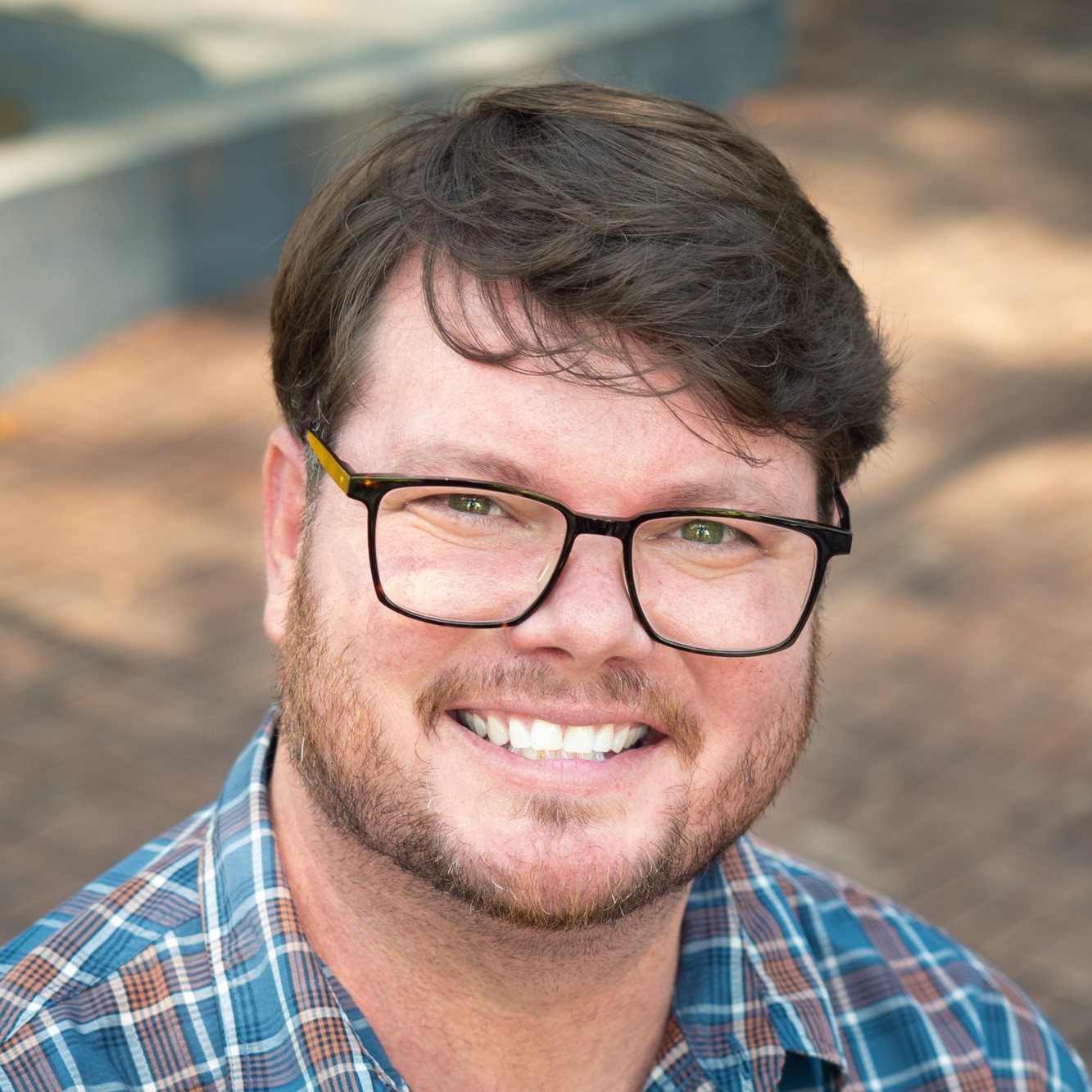
All right. Welcome to back to the future with Kyle Roof. I am Kyle Roof. Today we are joined by popular YouTuber, podcaster, and someone who's been featured in many major publications Doug Cunnington. Hi, Doug. Welcome.
Kyle. What's going on? I'm pumped to be here. And thanks for inviting me.
I'm really happy to, I've been a guest many times on your show, and I'm quite excited that you're now a guest on mine. So let's, let's get back to kind of where you started, where you where you began. And, I know you started as an I.T. project manager before getting into digital marketing and getting into sites and getting the teaching, does it project. Is that as awful as it sounds?
It is. It might even be worse. So I have a, computer engineering degree and kind of a I guess I knew I wasn't going to enjoy the pure sort of engineering and ended up in management consulting, which is it's exactly the bobs from Office Space. So just imagine that. Except I was like 23 and I didn't know what the hell I was talking about. So I ended up working in that industry for about ten years and found my way to project management, which I was okay at. It was a fairly marketable skill in those years, but I was trying to climb the corporate ladder, but my work ethic and my attitude didn't really lend itself to that direction. So I was kind of floundering in middle management, which is a great place if you sort of want to, like, hide from your bosses and stuff. So I was doing that for about ten years or so.
Okay. And I know part of your, your origin story is that you were laid off in 2015 and that maybe kind of gave you a big push, into into the space. I know a lot of people kind of want to make that jump. They want to jump from there. The job they don't like into being financially independent, into being location independent, working something online. What was like the first step into that? Did you already have some stuff on the side? Were you already building niche sites or affiliate sites or did you like, okay, now I've got some time on my hand. Hands. And let's go ahead and just I want to do this. What's like the first step there to get that started?
I found a podcast in 2013. So two years before I got laid off and I was brand new to any kind of marketing, any sort of side hustles, I actually wasn't even looking to, like, start a side hustle. I just found Smart Passive Income. I thought it was a total scam. And then within like six weeks, I launched a couple sites and classic story where I just got obsessed with it and enjoyed the process. It was a little technical, a little marketing. There was some writing involved and it was it was challenging and it was all new. And within like six months or so, I had a site earning like thousands of dollars per month, which back in those days, in 2013, I was I was doing a lot of gray hat stuff, which is what people were doing. So I thought I was invincible. And then like the next month, my revenue went down to like $100, so I'd dropped by like 95%. So classic story. And I think all good SEO should have a couple, a couple of dings in their armor there. So I ended up having the typical roller coaster ride where some things works, some things didn't work. I made some mistakes. I scaled too fast. I thought I knew everything I hired a bunch of people and like tried to just build an empire, but it ended up not working out. So that's when I sort of like, slow down. Thought about what I was doing a little bit more. The side effect of finding those podcasts and starting to check out, like Tim Ferriss and some other, like, entrepreneurial minded folks, was that I could do much better on my own than like, working for a big company. So I was thinking about intentionally living my life, being location independent, and my wife and I actually started traveling. So the reason why I got laid off, why I was on the front end of layoffs, even though it was a pretty good performer on my team, is we moved. We like moved across the country from Georgia to Montana. And I just said, hey, we moved in and I would love to work it out, but if not, then I guess we'll part ways. So they said, oh, we'll try to work it out, but within like a month they laid me off. So at that point it gave me the push because honestly, I didn't have big enough balls to like, give it a shot and like, quit, a good job with a lot of flexibility that I was working remote with, you know, a lot of great things. So I wouldn't have quit. Thank God they laid me off. It was a it was an amazing, fortunate thing that happened.
When did you realize you're going to make it? When do you realize, like, okay, so this is side hustle. We need it to work. You know, we we need it. We need it to go. But when you realize, like, I think I found something, I think this is actually going to be the thing I can do.
I think I knew it before because I had earned at least, you know, a few months of replacement income that matched my take home pay for my day job. And I also knew that unlike, corporate job or a W-2 job, there's essentially no cap on what you can earn if you're working for yourself. So that was I knew if I could reach that old minimum when I was dumber in the past, I should be able to do better in the future. It. When I first got laid off, I tried several different business models, which I don't recommend. People do because I was a little scattered and stressed out and sleep deprived and too much caffeine. A lot of the typical stuff when you're like, this has to work a little jittery, but I tried a service based business, which actually was the most successful. It was a guest posting and link building company.
Okay.
And it was on track for like, well over six figures. My, I did pretty good at it, but basically I didn't like working with clients. So I was like, okay, I need to shut this down. But I was also building new sites. I was also dabbling with courses, probably 3 or 4 other things. Some things just didn't work. But eventually I ended up staring into straight up, you know, just affiliate marketing via SEO and courses. So I was sort of wise enough to diversify, even though it slowed down the progress in both areas. If I had an issue with Google or Amazon or any other party that I can't do anything about, it's just completely external. I at least had my personal brand, which at the time was niche site project, the blog, plus some courses that went along. So those just kind of marched alongside each other, both supporting each other, because I could talk about the projects that I was actually working on with my sites and, and promote my courses.
So is, the did niche site project, did that start off as like, I'm kind of going to blog about what I'm doing, and then it kind of transitioned into like a course as opportunity. Is that kind of how that went or did it go with did you go with the mindset, I'm going to start teaching what I'm doing?
Basically, I started this site project in 2013, in a immediately I, I released an e-book. So I was doing that right away, even though, even I would say I had no business doing it, but I was like, I want to start doing it now. The stakes are much lower when you have a small audience and all that stuff. So I was learning along the way and people were a little more patient where, you know, a few years later I was doing like full video courses and stuff like that. So I was teaching some stuff, like a lot of bloggers teaching some stuff, and then the course there's usually a little bit extra, but it's like full organization and more of a framework versus a bunch of random pieces of content.
I think that brings up a question that a lot of you might have like, hey, I would love to to do a course or I'd love to do training is something that how do you get your first students when you don't really have a known brand behind you? You don't. You people might not know who you are. How do you get that first student in? Or how do you get the first people to your blog?
So for for me, there's a lot of ways to do this, but you essentially need to get in front of other people's audiences. So for me, like I said, I started with Pat Flynn.
Okay?
And then quickly started studying what Spencer Hawes was doing in niche pursuits. And he featured success stories. So there are, you know, other creators out there that are either teaching something or they're showing something. So if you could demonstrate and be a case study, then they will most likely feature you. You have to you have to network and you have to be a nice person about it. You can't go in transactionally. But if you could show that their product works well, if you could show that their process works, they're probably going to have you on. So I was featured on like a blog post success story, which I read like dozens of those. And I was like, I want to do that someday. And Spencer, he also has a podcast still running today, and within a few months I was like, hey, the site's growing even more. I could tell my story from the retail season, November and December, and I was on his show and that was by far like one of the biggest days, biggest traffic days. I had a lead magnet. So this is the game plan, right? So you have to do something cool so you have a story, then you have to be featured somewhere so you can hopefully at the end of the day you're like sort of siphoning off part of the audience. But you're providing value. So it's not a malicious thing, but you're just like getting in front of people. And the big thing is to have an email list or somewhere where people could follow you a little bit more. I think most folks would agree an email list is like the most independent that you have most control over. So do that. And then I just had a great lead magnet and I don't I don't remember what it was, probably a framework because I'm a project manager. So I could say, hey, I've organized this. I have credentials to back it up. A lot of people are disorganized. I put it in a way that you could just follow. Like you could just sign up to the email list and I'll send you the framework, and then you can unsubscribe if you want. But you get that framework so that that was the key. And those people are very interested because they they followed you somewhere. They follow the link and then they even put in their email address. It's really hard. I mean, you get a drop off every step of the way. So it's really hard to get people to pay attention and go off their podcast player or YouTube to actually give their email address.
I think, though, that that makes a an excellent point. A lot of people do the work where they maybe do the case study, they get on the show, they get that exposure, but they don't actually have that lead magnet. Then to capitalize on all that work, you know, they kind of get maybe those first couple steps, but then having you have to have that thing, then that hooks the people and that gets them into your sphere in order to take advantage of of that outreach that you did that, that extra work.
Well, I'll add one more thing in there.
Yeah.
Two, two more things. So it's really easy to create a lead magnet or at least get a first rough cut with ChatGPT or other AI tools like you could put in the core information kind of say what you want it to be, and then it'll do a really good job. You have to clean it up, make it look a little better. The other thing is people feel like they shouldn't tell the same story again. But you should. You should tell the same story over and over again because most people didn't hear you the first time, and now you actually have social proof because you were on another show. And Kyle, you've made the rounds. How many? I mean, you saw the same stories all the time, man.
All the time. I actually heard a piece of advice from a comedian who was talking to Don Rickles, the famous comedian. And the comedian was like, oh, I told that joke on TV and now I can never tell it again. And Don Rickles looked at the guy, said, how famous do you think you are? And, you know, we all think like, oh, everyone's no they haven't. You're not you're not that big. Tell the story again and tell it all again and.
Again.
For sure, for sure.
And you get better at it. You realize the parts where it's falling apart, you tighten it up, that sort of thing. So the story will actually get better. I mean, the fabricated stuff. But like, you'll tell it better in the future.
Oh yeah, it gets a lot tighter. It gets a lot more interesting. You find the spots that resonate the best, that lead into other stories or other points you want to make for absolutely sure. You came on my radar with the keyword golden ratio. That's when I think I first saw what you did. And that's, for those who aren't familiar, it's this concept to find lower competition, easier to win keywords, something you can win quite quickly within a matter of days rather than a matter of months. And I've always thought that there's nothing golden ratio about the keyword golden ratio. And that's what I love about it. Most guys. I think it's once in genius and it works extremely well, but also I think it is another excellent example of the marketing that you're able to do to generate this buzz around a concept or something that you've done to get people into your sphere. How was that moment for you? Was that a moment for you? Was it like that was a thing, or was it just kind of like, yeah, so that's something else that's kind of in a long list of things that you've done?
Thank you. It was like most good ideas. I think it was pulled together from other people's better ideas. And I know at the time a lot of folks, this was 2015 or so, 2016, basically, we were going after, keywords that had a lot, well, more competition. Like you said, it was just higher search volume. So I know I heard a lot of people talk about lower competition keywords. People had their own spin on it. And again, like, you could go back to a lot of different marketing, ideas. Usually they're not that original. So I'm sure other people were giving similar advice. I'm sure you ran across it as well. But as I was putting together the course, at the time, it was five figure niche site. I was teaching one of my friends, actually, locally, and we're sitting at a coffee shop, and I was like, all right, here's what we're aiming for. Look for point, two, five or less. That's sort of the green ratio. A lot of the numbers are arbitrary, but they just work out better. So he mentioned to me like that he was talking to his girlfriend and said, oh yeah, this is Doug's keyword golden ratio. And I was like, that's really good, man.
Did you have to murder and murder him? So no, I wouldn't tell anyone. You can take the name from rate.
And he was like, sure, man, you could use that. So like again, like most other like marketing things, no one really cared for about two years or so. Like I was talking about it, I was like, this is great. And no one cares. They just tell you why we're actually no one sees it. No one even sees it. And then slowly, over time, people were saying, hey, I think, I think this does work. And then the other part is like, it's, you know, a critical mass where people are trying it and they're talking about it. So at the point where I wasn't the person spreading it because no one wants to hear self-promotion, but when other people were like, hey, you should give this a shot, that's when it works. So at that point it's spreading. It's growing. And then you also get haters and they're telling you why that's wrong. And that's when you really know that you made it because people are trying to trying to get some clout by criticizing you. And I loved it. I knew I wasn't if they were criticizing that.
That's 100% true. As soon as somebody starts ripping on you, just I mean, and you can see how disingenuous it is. And that is when you get we're getting the hate. You know, you're doing pretty well.
So I always loved it. And go ahead. Go.
Oh, I was gonna say that that was a surprising moment for me. Was, was I didn't realize there was going to be hate attached to any of this. And we're in a stupid little industry. Who cares? And a lot of people care.
And it's such a small industry. But like, if you're if you're in our bubble, like, it feels so big, like everything in every bubble, it's like this, every, sort of counterculture or whatever it feels. You just conferences, people travel around the world like there's a lot, there's a lot of inside stuff, and it feels so big. But yeah, once you get the haters, you're like, oh, right.
I did it. That's great. All right, so now we're going to play a little game, and we're gonna play a game called you can choose only one. I'm going to give you a scenario. You can only you can choose only one thing. Do you understand the rules of the game?
Got it.
Okay. If you can only homebrew one type of beer for the rest of your life, what would it be?
It's, Belgian seaside Belgian saison.
For those that are unfamiliar with saison, what is this saison?
So it's sort of a farmhouse ale, sometimes a little wild. And the signature is, Saison DuPont. And I think it's very close to the the French border there. And, Belgium. Have you do you know this beer? Do do.
You. No. Not really. No, no.
Okay. It's a wide range too. So again it's a farmhouse. So people could put a little fruit in there if they have some different grains, not just barley. So it's a little bit flexible, but, it's very light and crisp. It could be low alcohol like 2% or high alcohol like 9%. But Belgian beers in general are some of my favorites. I drink, I drink them all.
Excellent, excellent.
Belgian beers are good.
All right. So we've talked a little about, niche, side project as kind of where you've gone into with your teaching and with, like, your courses and stuff like that. But as all things I know it's gone through an evolution, in of itself, but now you're kind of going through an evolution as well, as you're growing and as you're brand is growing, where, where are things going for you now?
Around probably 2020? I was getting a little bit not bored, but I was less enthused. The novelty had worn off with niche sites. I'd gone through a few battles with Google in 2017 and 2020. Amazon lowered their commission rate. So sort of my bread and butter. I saw the lack of control that I had over it and the things that we were doing in the preceding years, they were less effective. It took longer and it wasn't as interesting to me. Around the same time, I moved to Longmont, Colorado, where there's a huge community of financially independent like early retired folks. A lot of people might have heard of Mr. Money Mustache. Mr.. 1500 days and some other folks, and they live just a few miles away from me here. So I wasn't really plugged in, but I was sort of aware of like the early retirement community. So I and my wife were starting to sort of save in that way. And actually my wife just retired about three months ago and, 40, 46 so.
Really saying you're married to a 66 year old woman. Yeah. Have you done.
Yeah, yeah. So the, yeah. So we, we got plugged into the community here in, like I said, my interests were sort of, shifting from, like, me actually building sites to outsourcing a little bit more. And not only that, but just look at the business model and say, hey, actually enjoy creating content more. I'm going to spend more time on YouTube. I actually started a new podcast called Mile High Five. This was in 2021 and I partnered with one of the like, sort of founding bloggers of the financial independence movement, and we record down here in my basement. We have a great time. And so I've just sort of shifted more into content creator mode. At the same time, I still had like a a valid and useful course where at this point in time I've sunset it because the niche site world has changed so much with AI and Google. And I saw the writing on the wall maybe a little bit later than some folks, but I was just like, my course still works, sort of. And I think I don't want to go into the AI area because I don't know the longevity. People are spending money on the course, and I don't know if it's going to work for six days or six weeks or six months or not at all. So I was like, I'm, I'm going to sunset the course, which it's been over a year that I've sunset the course at the time that we're recording and I've shifted a little bit partially to just more content creation. The other part I, I realized, had so many people asking me about podcasting that it was unsustainable. So I'd help people out a little bit. They would not really follow my advice, and I would spend a couple of hours with them. So I was like, all right, I have to start charging for this or otherwise. People are not going to pay any attention to me. And I don't want to be rude, but it was like, sure, whatever 1 or 2 people per week. So it's like, I don't have time to do that. So I've shifted a little bit and I'm actually still trying to figure it out. Kyle. It's it's one of those deals where I do have an email list and I have a brand, but most of those folks were interested in side hustles. They were interested in content websites. And really, the whole industry is like flipped upside down. So I see, my former peers that have similar courses and they're trying to, figure out what to do. Search GPT is a thing that could impact Google as well. Like there's just a lot of churn. So I do see a lot of number one opportunity when this kind of stuff happens. There's huge opportunity. But you also have like the the status quo, the courses that were running before, things that worked for like a decade plus now it's like super inconsistent or it's much harder to actually make it work. Mostly I would say like in the content website world, I think a lot of local SEO, e-commerce, some other things are a little bit more consistent because, you know, people are trying to find that specific local information or something that is commercially driven via e-commerce.
So I know you build up a lot of trust with your audience through podcasting and your YouTube show. Are you able to convert, if you will, that audience into a new audience, or do you feel like you're kind of starting from scratch or kind of back when you started the the previous part, the new podcast, and what is that, like kind of starting over? Or are you able to divert, do you think.
You can definitely divert? And if the audience is big enough, which it doesn't have to be huge, you could. Oh, there's always people that have the Venn diagram overlap of similar interests. So the you know, the new podcast, my hi fi, my cohost, he had a huge audience on his end and I came out of nowhere a couple people came along from my existing audience, but he had a much bigger audience in that area. And then, you know, us working together, you know, one plus one equals three kind of situation. So that shows like A5X bigger than my niche site project or the dog show, in general. And it grew much faster. Also. I mean, niches are different, right? So the size in one area, you can't really compare it exactly. The the other thing is I have had issues converting the audience from niche site project over to by other products or even products that they should be interested in. of that is, you know, a symptom of the industry and again, it's more the niche site authority site industry versus like SEO in general. But there's a lot less buzz. A lot of people are like, don't do that. Do Amazon influence or do some other thing instead. So the interest level, the success stories are just not there. That's what gets people like more interested. So I made a point where I, I think I actually need to go back to the beginning and create content with a specific lead magnet that fits in the funnel for the shit that I want to try to sell, whether it's my own stuff or other people stuff. More likely it'll be other people's stuff because that's a little bit easier. And I'm more in a, I'm in a lazier stage in my life. I'm not is about is hungry to prove things and I don't need to as much. So if I could just, you know, be in the industry and help promote other people's stuff, that would be great because I, I enjoy the people. I have a lot of friends in the industry and I'm still interested in the nuts and bolts, but I'm like, I don't want to. I don't want to do that right now. Not at this stage right now.
As as a final question, to kind of wrap this up, it sounds like when you've made these kind of these pivots or these moves from, from the, the project management into digital marketing, into the teaching now, and what you're doing now and it sounds like you're following your interests like what you are most interested in doing. Would that be something that you would advise people like when they're trying to find their niche or kind of find what they want to do with this? If they want to do something similar to what you're doing, would you advise to follow your interests? Would you like is that is that a good approach to it?
Generally, yes. So if someone just asks me, I will usually say you should probably find something that you're interested in because it's going to be hard, not just at some point, it's going to be hard. Along the way, you're going to question whether you should keep doing it. And there's a there's some points where you should quit, you should stop doing this thing and just pivot, do something a little bit different. But to your point, you're exactly right. As time has gone on, I have moved to things where I was obsessed. So in the beginning I was just obsessed with the process, learning new things. It didn't matter what niche I was covering in my websites. I was interested in setting up the sites, doing, keyword research, writing the content, hiring the teams to write the content, and training them. That was one of the big skills that I got out of my corporate job is just training and onboarding people, hiring people, firing people like that whole life cycle and I enjoyed that portion of it. At some point that was not fun anymore. So I started teaching it, which adds another layer of understanding because you have to break it down and make sure other people can not only understand, but like they're motivated to do it and execute that work. And then at some point, that wasn't as fun. And I was like, oh, I like communicating in general better. So I'll, I'll, I'll add, video and then I'll add a podcast. So as time goes on, it seems like about five years, I start to get a little bit bored and I can stick with it for a couple more years after that. But I've already layered on some new other thing that I'm working on. But as far as like people getting started, just make sure you have like some level of interest. Now, I wouldn't always recommend and I would caution people to stay away from like, their hobbies. So you mentioned like, homebrewing a beer, right. So if I had a website and a YouTube channel that was all about like homebrew and beer and all that stuff, it would be very fun. I'd be hammered all the time, but it's not sustainable. But at some point, like your your favorite thing becomes work. And that is, a classic thing that can happen. You know, people are like super into photography. And then they, they start getting into photography as a profession, and then it's a job and then they're like, I don't even want to pick up my camera for fun. So you have to be careful with that, but make sure you have some strong level of interest in something that you can stick with for a little while.
Awesome, though, if people want to, see what you're working on now or they want to get in touch with you, how can they do that?
So you can go to YouTube. That's probably the best place. That's where all the stuff lives. Just under Doug Cunnington. You can find it over there. Huge amount of content. I think there's a couple thousand videos, but the more recent ones have the podcast and everything. If people are interested in the personal finance and financial independence in early retirement, that show is called Mile High Fi, also on YouTube. And if you just Google either one of those things, you should be able to find it. So thanks Kyle. I really appreciate it.
Thank you Doug. Appreciate it. And thanks everyone for listening. We'll talk to you next time.
Listen on: