Cracking the SEO Code: Justin Grossbard of Compare Forex Brokers and Alley Reveals the Secret Sauce
In this eye-opening episode of Hack to the Future, Kyle Roof sits down with Justin Grossbard, co-founder of Compare Forex Brokers and Alley, to uncover the strategies powering top-tier SEO success. From leveraging consulting to fund a thriving agency to mastering the art of scalable content, Justin shares the insider knowledge that built his brand. Whether you're an SEO pro or just starting out, this episode delivers actionable insights and bold strategies you can't afford to miss.
Check out Compare Forex Brokers and Alley below:
http://CompareForexBrokers.com
Try out PageOptimizer Pro today (7 day refund guarantee):
TAKEAWAYS:
Justin shares that consulting played a crucial role in funding his agency during its early years, helping to stabilize operations for the first three years.
Justin refers to consulting as a “magic bullet,” highlighting its importance in creating sustainable revenue streams.
When discussing SEO, Justin points out that it comes with unavoidable costs like content creation, link-building, and technical tools, making it a challenging investment to manage.
He emphasized that consulting is often more about being paid for expertise rather than tangible deliverables, which simplifies the business model and reduces overhead.
According to Justin, consulting provides a straightforward and practical path to building a profitable agency model.
He noted that agency culture can feel like a form of tribalism, with a strong sense of identity and camaraderie among team members.
Justin stressed that long-term success for websites goes beyond SEO rankings; it requires thinking strategically about content, branding, and audience engagement.
When asked about agency hiring, Justin joked about grades, implying a selective and skills-focused approach to building his team.
Transitioning from an in-house role to an agency environment is a big leap, bringing larger clients, more complex problems, and a mix of internal and external politics.
Justin highlights the importance of adapting to multidimensional roles in agencies, where thinking beyond one’s specific expertise is essential for success.

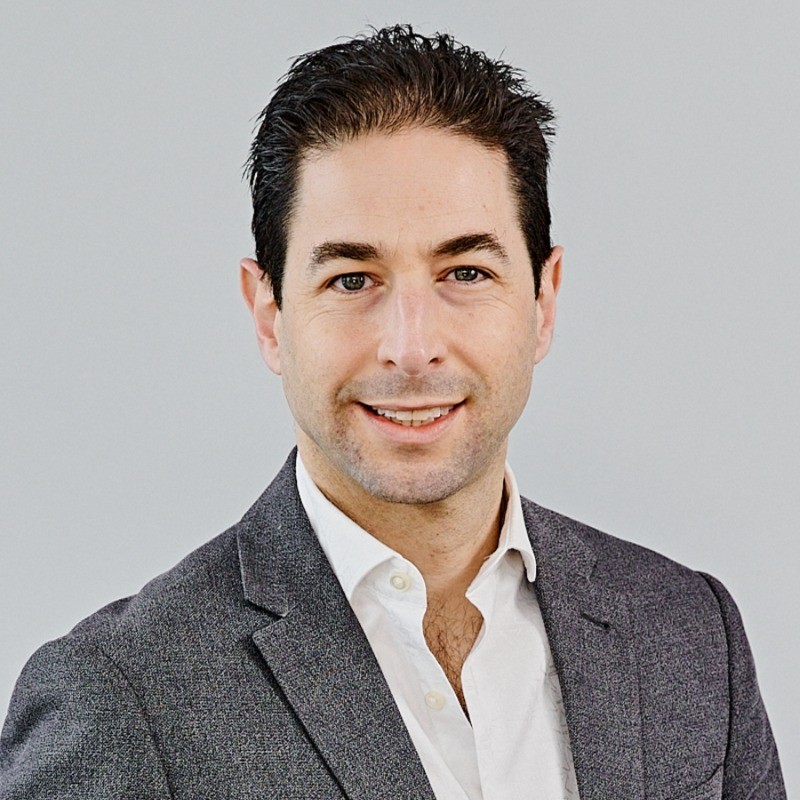
All right. Welcome to Hack to the Future with Kyle Roof. I am Kyle Roof. And today we have the co founder of Compare Forex Brokers and the co founder of Alley, Justin Grossbard. Justin, thanks for being here.
Nice to be here. Nice to see you again, Kyle.
Great seeing you, as always. Justin, you're a good time. We've met a few times at some conferences, yeah?
Absolutely, yeah. In Chiang Mai, and you'll be nice enough to come to Sydney, and you'll be coming again next year, yeah. Looking forward to seeing you present again.
We'll be grabbing a drink soon, I imagine. Now, Justin, you're an actual marketer. Before you got into Digital marketing. You did, I think, actual marketing. And do you think that has given you an edge? And what I mean by that is I consider myself an SEO, which I think is a sneak through the back door, a way into marketing, I guess the main question is, are you better than me?
Well, yeah, it's really interesting because I've met a lot of agencies, especially over the past 12 months. And, the ethos of an agency is quite tribalism. Certainly at Alley, our agency is marketers. And when we hire someone, we basically go, which undergraduate or post grad did you do? Did you do marketing? And then I met agencies where, do you have a tech degree? Do you have IT? It's a completely different way of looking at the problem. It's quite interesting because you're saying, who's better? What I would say is. Which way is the algorithm favoring? Because, lately, everyone that says, if you want to win an SEO, you've got to be a marketer, you need to have a brand. It's a completely different subset. Now, there's a group of people that feel very uncomfortable having those conversations, and they're leaving the industry. Whereas there's another group, which I would say is probably more the marketers, which are trying to grow brands. They've always thought this way, and Maybe that does give them an advantage, but it's the algorithm. It may change next year. So right now I think that Google is favoring brands, they're favoring marketers, but of course that could completely change next year. Who knows?
It is interesting because a lot of people are getting into, like, I've heard more SEOs say share a voice. and reach and terms like that, that I'm confident they were not saying before this kind of this move towards Google's brand awareness.
Yeah, absolutely. I think we've technical SEO is a very sexy thing, especially on LinkedIn, Twitter. And look, there's no doubt there's wins in technical SEO. A lot of people say, Oh look, I did this to Shopify, did X, Y, Z. But my question is that going to give you longterm success? Or is it just a way to go up a tier, but then you're stuck there without then being able to do additional functions and think as a marketer, think about content, think about the brand direction, the followers and all these elements. Certainly I'm not, there's a place for everyone in SEO. There's a place for you, Kyle. Of course, but at the same time, you would just have more holistic thinking. That's why I've always believed in hiring marketers, that they can see the problem. And I'll give you a little treat today, okay? So I was asked the same question. Hopefully no one that I'm about to hire hears this. But it's always the same question. And the question is: you're entering a university and I'm your lecturer. You sit down, it's your first class and I say, okay, we have a group assignment. It's groups of four. Okay. You're, this is worth 50%. How would you deal with it from now? So Kyle, what do you think? What do you think? Why do you think I'm asking that question? What do I want to hear from that person? Do you want to take a guess at what the right answer is?
I don't know. Are you looking for how they're going to organize and manage from the start?
Exactly. What I want to hear is "Pick the right people". That's the problem. Some people, I'd say 75 percent of people will talk about the process, the project management, and they'll go from that point on. But the problem is the start, and that's your team. That's your problem. You got a bad team, you got no chance. It's and that's what I think under that. University, marketing, that problem solving skill that hopefully is taught at uni or that person had. And of course, you don't have to do a marketing degree. Some people just naturally have. This type of problem and they can read the room and read the problem, but that's what SEO, I view SEO as a problem and that problem changes based on whatever Google decides it's going to go and I'm looking for people that can solve that problem and are willing to roll up their sleeves and do it.
Does this mean I can get a job at your agency?
It depends what your group is, Kyle. Yeah, I want to see the group first, see who you're working with and then we'll make that decision.
Fair enough. Now I know in your journey you talk about that when you were getting off in marketing that you were immediately handling some high stake clients, high stake accounts. When you started that, did you feel that you were ready to hit the ground running or did you feel the way it was like a fake it till you make it a scenario? Like how did you progress or how did you approach that? When you're taking on these huge accounts at such like a beginning part of your career.
Completely fake it. There's no other way to it. So I went from the UK managing a Google ads account, maybe 5, 000 pounds a month to go into managing a client like Anna and ANZ, which is one of the big four banks in Australia, which has spent half a million dollars. So completely, and the funny thing is the rules, It's a Google ads account. Google ads accounts are always the same. It may be an SEO is probably a bit different versus a WordPress versus a Shopify, et cetera. But a Google ads account is a Google ads account. At least it was 15 years ago. But of course, just the scale of it, the complexity, the client management, the politics of bureaucracy. So it was completely, I'm going from just a one dimensional in house role to an agency with large clients. large problems, politics, internal, external. And I just remember my head was like, I've never learned more every day because you have to, it's evolve or perish. And no, that's the key thing in life is sometimes you get these scenarios, you just roll up your sleeves, bite your tongue and get through it and you'll be better for what it was. But I can tell you by 5 PM on Friday, I was absolutely spent and it was just Purely exhausting weeks but loved every minute of it because obviously I knew I was learning. I knew I was getting to the level that I was needed and yeah, and I absolutely just loved that role.
I also know that part of your journey was getting let go from an in house agency. And then that is then where you got into running your own agency. My question would be, when you were let go, was your natural thought like, all right, I'm just doing, I'm branching out on my own. Like the next logical step is my thing. Or were you thinking or was this maybe like a last resort? I can't go back into this or I really don't like these opportunities and I must do this. Like how did, in that scenario, like how did you go from that position of in house, not working there anymore and then getting into your own agency?
Sure. The thing about being fired is you don't see it coming. And that was, I was in that role for two months. And I have a strong belief that if you leave a role, you should always, unless it's a completely different industry, you need to earn more money. And the reason why is because you don't know what you're walking into. There's every chance that two months later, you're going to be unemployed. So I call it danger money. That's what you're moving for, because you just don't know. This role looked perfect on paper. I didn't know who, who was going to be reporting to me. It was. It was a disaster. So I had no plans and here I am licking my wounds, feeling sorry for myself and trying not to make a knee jerk reaction. And that's, and it was one of one of the people that I used to, one of the clients that I worked for, the digital manager had got a new role and he called up my mobile. And he said, can you do my my Google ads for me? And I'm like I probably could, but I don't work at this agency anymore. He says, does it matter? You're running the account. I'm like, probably not. Let me get back to you. And you wouldn't believe it. Two days later, another call from another person. And that was my first few clients. So the idea to an extent, it come to me, like these, and it was just, Fantastic timing to have those two clients. A lot of people, a lot of agencies don't work out and I'm sure we'll go into it, but those two clients were not going to pay my wage. That's for sure. It is very tough starting an agency and it really requires some innovation if you're going to succeed in that early period.
Being, in a sense, gifted to clients like that because they wanted to work with you is fantastic. And the one thing that I've noticed when you start, one of the appeals of starting agencies, you really don't have a lot of cost until you have a client, which kind of allows you to get off the ground quickly, because then you can, as you get that client, you get that monthly retainer then you can get the resources to service them. If you got those two clients, did that give you some starting cash, if you will, to be able to fund, to grow that kind of instantly.
No, it didn't. Two clients spending 40,000 a month, Google ads, I'm making 4,000. What does that work out to? We're up to 52,000 that I'm making. It's paying some of my wage. There are still costs. I had to hire an office and a few things. And that's the key trap that I think is a few, oh, if I just get three clients, I'll pay my wage. It doesn't quite work that well. The end. To me the solution that funded the agency for the first three years was consulting. Consulting is the magic bullet. When you run SEO, you're going to have content costs, you're going to have link costs, you're going to have technical software. When you do consulting, there's an agreement, hey, we're going to pay you for your expertise, not so much for your deliverables. And that's a much easier business model to have. The key thing is, if you're being hired as a consultant, you've got to think out of the box, because they're hiring you to come up with new ideas, to come up with something different from what they can. Otherwise, they'll just use an agency. So I guess that was my big break, was when one of the largest health insurers, which was my third client I approached them. They said, we already have an agency. But they said, you know what, we think you could come up with a few ideas, so we're going to pay you as a consultant and that was a five figure sum each month, we're going to pay you to to come up with ideas and, we're going to give you a bit of leeway to see if you can bribe an ROI, which other people can't. So it's effectively being almost being employed as being an employee, you're being hired to do. Hours and much more profitable that was a catapult for the agency that could build off not those first few clients It was a consultancy amount that got me there.
With the consultancy contract Is it will pay you X amount for X amount of hours? Is that kind of how that goes?
Yes roughly, but Justin: there was the understanding that they're gonna pay me to fix their problems And I said to you it SEO You Is a problem and the key problem here was that they were doing the exact same thing That every other health insurer was doing, they were buying google ads sending it to their health insurance website They were doing seo sending to a product landing pages and converting And and when you're playing by the same rules as everybody else it's very tough to make March. To make a march. It's very tough to get a competitive advantage. And I was a consultant for six months and I was an absolute failure because I had a ton of books, a ton of ideas that I would hand to them and nothing will get done. So you say, tweak this, make this, and what I realized is that unless I take things into my own hands, I'm going to lose this contract. And that's what got me into the comparison space, was because I realized that unless I actually own my own areas where I send traffic to, whether that's paid or SEO, it's going to take a long time. There's going to be less flexibility. And that got me down my journey of, first of all, making my first comparison site for this health insurance and then making about 10 comparison sites since.
That kind of gets into, I think, something that you talk about quite a bit, where you are of the opinion that an agency shouldn't just be an agency, but should also be running its own affiliate sites. And in this case, you run these comparison sites. In addition to what you said, where like when you're consulting and you can control an asset, essentially that then you're feeding to maybe a particular client. What other benefits do you see from that, from a kind of that dual approach where you are. An agency, but also a full time affiliate, essentially, as well.
Sure so my first, so I like people that have a side hustle, which is normally going to be an affiliate site or e commerce site. It can be whatever your passion is, as long as there is a financial benefit. There's no point, who doesn't, we don't need another travel site with a travel blogger that, has some banner ads that, you know, that there's, you've got to have some commercial intent. I've learned the hard way that you've also got to have a passion. So I started this fast business loan website called fast business loans, and I just did it to make a buck and I had no interest in business loans. It's not a glamorous industry. I didn't believe in it. The interest rates are high and it failed because it wasn't a passion project. But when you have a passion project, what that allows you to do, which of course, makes money, is It's a true test because, there are very few, if any, niches where there aren't other smart people that are also you're in competition with. So that means that you need to do SEO better. You need to do conversion rate better. And only by forcing yourself and testing yourself, do you get better. And, nothing can always be more in our industry than the person that gets up at ChainMySEO and says, I can rank for any keyword. I just choose to only rank for these ones and you'll and all I think about is if you can rank for any keyword, where's your comparison site? Where's your side hustle? Like surely you can run with that. And do it yourself. And it doesn't make sense if you can't. So either, either you can't which of course is a cross. You shouldn't be doing SEO in the first place. You're not motivated to. Which again is another big cross on my, and all the third one is that you're scared of doing it. And you're scared of I'd love to see more people do it. Obviously the helpful content update's been pretty devastating. Within the industry, and that's a real shame, but nothing makes me happier than seeing people with successful side hustles. They don't have to be terribly successful, but at least it shows to me that they're having a go and what it allows you to do, it allows you to learn from your mistakes. It allows you to push yourself and you can never say that person said no. And look, I spend more on my side hustles on link building than any one of my clients, which are a hundred times bigger than my side hustles. And that's because I don't look at every link invoice and double check and think, is this a good investment? I know it's good investment. I know the value of what I'm trying to do and it just gets signed up. I know what a good content writer is, and it just gets signed off, all this bureaucracy and all these frustrations that may limit an SEO person's success. You don't have those. Your only problem is yourself. What's limiting you? From doing it. And yeah, and I'm just really upset because I know so many people with great potential working for other companies doing things, and they're just not willing to go outside their comfort zone and try things for themselves. And I think, back yourself, have a go. You can keep your job, always keep your job. That's what a side hustle is. The last thing you wanna do is put all your eggs in that one basket, but at the same time, prove to yourself. And test yourself and show that you can beat other people in your industry with your side hustle versus that. So I think it's a real, a really good way to test yourself and be able to talk to other people that are doing the same thing.
How do you approach things about like management of time and budget and resources and focus when you're like, when is it that the side hustle could become problematic in a sense of taking away from the hustle.
Yeah and that's the discipline. That you absolutely have to have. You absolutely have to go, this is, I'm in paid and this is my work time. And you specify that very closely. And then, I've got a family. So then you'll go, okay, and this is my non negotiable family time. And then you say, and this is my side hustle time. So for me, my side hustle time is between 7. 30 and 9. 30 most weekdays and on the weekends, depending on how it goes once again, the whole family needs to understand and the wife needs to be appreciative of, what you're doing and the sacrifices that you're going to make. And I think that is the pure discipline because the key thing about having the side hustle. So in my space one of my spaces Forex brokers, which is probably one of the most competitive in the world. And there's, I say every year there'd be 20 new competitors and they all start off the gate amazingly. Like I can see what they do. They get, a few things that we're all missing. They write lots of content. They run a new broker review every week. They're constantly evolving. They, they get, they're reaching out And then he starts in an effort and it starts going down and then they just give up and then they try to sell you the site, which, you know, which a, and it's a really sad story. So you get the hump people and then you get the erratic people. And I'm that person that, I don't go and burn out. I'm not that cool, consistent and I've been doing forex for 10 years in that cool, consistent formula. And I'd say it's just like gym. Okay, let's just say that a side hustle is gym And I do try to fit in gym lately, which is a tricky one Gym's the morning thing not to disturb the side hustle thing, but it's the same with gym Okay, so gym is all about discipline, how many people go in spring go for a month and then they give up Oh people that will go for three months They're not getting the gains and not getting the women and they just give up the guys that are, really in great shape and really, looking fantastic, they'll all be the modest ones. Oh, I very rarely go to the gym. But the truth is, I've been going to the gym for several years. They've been absolutely consistent and they've probably got a few the most consistent. Smart apps to continually push themselves and rather than just coast through it, they're constantly trying to research, they're constantly trying to see how they can do better. They might see someone else that's in a great shape and say, how do you do it? Teach me a few things. That's SEO. It's exactly the same thing. And they're making the time. They've allocated the time. My viewpoint is Jim only works in the morning, because I will wake up in the morning on most days the same. Same time, same mood, etc. Peace out. If you try doing it at night and you don't know how your day's gonna go and you don't know how you're gonna feel or what's gonna happen, and you get that variability at night where suddenly, oh, I'm tired or this and this. So for me, as I said, gym is a morning thing, but at nighttime, with the discipline of seven to night, I can do that. I can and, and once again, discipline is making spreadsheets for yourself. So on those tight days you say, Hey, this is what I'm gonna do today. And I like this. I like Forex. I actually like the industry. I like the people, I believe in it, and therefore I'm motivated to do it. Fast business laws. I just had a bad day at the agency. I'm exhausted. I had a big lunch. My wife, my cat's made some poo on the carpet. Everyone at the agency will laugh at that. And I'm having a bad day. I don't want to write about fast business laws. I don't like these people. I don't like the industry. I don't believe in it. It was always going to die. So that's the balance. And of course it makes me some money and money is fun because money is fun because you can take it away. It's also fun because you can buy things. You can buy all these SEO goodies that you may, need authorization or have some just, oh, look, there's a new software. I'll just buy it and try it. I'll try this. I'll try that. So with you being your own boss, it's. Now, I'll say one more thing if you don't mind, and that is that, so Forex, the reason why Forex for me has been successful versus some other ventures, is my business partner Noam, he's the opposite of me. And I think that's a very good thing. He's the guy that likes doing finance, he's the guy that likes doing deals to get us better commissions. He's a guy that likes looking at the commit, how we're going and talking to me about these discussions. I'm knowing I'm the marketer. I'm the guy that just likes looking at my rings, looking at my traffic, trying to grow it, trying to see the vision and all that. So that is motivational because some of the other side hustles, I don't want an invoice. I don't want to chase up for people that aren't paying. That's the motivational for me. So I think that is. Part of a, if you're going to have a business partner and I would say that you really need to think that through if that's the right decision because it can cause a lot of grief. If it's done the wrong way, I would say do not hire someone too similar to yourself. Hire someone that likes doing the things that you don't like doing, and it's gonna work out great. But if you've got two markers in a room, I just can't see that working out too well.
Alright, I've got one more question for ya. I've heard that you've had former staffers go on to create and sell their own companies. And I think it might be the side hustle became the main hustle. A scenario perhaps. How does that make you feel when that happens?
Oh, I was delighted. And the beauty of a side hustle exit for a person in an agency is it doesn't happen overnight. Unlike a person that just leaves for an in house or to another agency, they're gonna give you one or two months notice and you'll lose them. This side hustle was evolving. It was making him money. It was taking, so rather than it be a sudden exit, it was a transition. So it was one of the easiest transitions. Cause we could slowly and be open about, okay, now it's taking two days a week. Now it's taking three. Now I need to exit. But it was a slow transition. And so in this example, I would say one of the best places to get an idea for a side hassle is working at an agency. So in this case, we had a person that worked that, a client of ours that was in the hearing aid space. And we could basically look under the hood and this person was a hearing aid provider and, this person who worked for me, he has a health family, doctors, et cetera. So he has a natural passion. And he's you know what, this is an enormously profitable area. Do you know the amount it costs for a hearing aid? the margins. Nobody, how do you know which hearing aids right for you? You can go to an audiologist, but outside of that, there was no literature. There is no comparison. There is no features. So he saw the opportunity in the market and yeah and he chose to run with it with a friend and I was delighted. And that sometimes it had me just talk over, unfortunately, he didn't take all my advice, such as their branding. They had to rebrand because I said their first name. I'm like, no, one's going to be able to say that. No one understands. And sure enough, no one understood it one year later and had to do the whole rebrand. And that's the key thing is that this person, he had to make his own mistakes. He tried, it's I've made these mistakes, but sometimes no matter how much you try to help people, they have to make it for themselves, and maybe that makes them better, or maybe it just makes them a bit poorer along the journey. But, he so he left the agency, made a hearing aid comparison site, and then sold it about three or four years later to a hearing aid provider who bought him out. And that was his whole strategy all along was, he saw the impact. He could, he's I'm going to exit to these people. And he did that. And as I said, I've never been prouder, it was a great achievement. The skills he learned was in the agency and he backed himself. And but these stories, unfortunately are just too rare. At least in the Australian space. And I wish they were more often because. The skills that we learn in agencies, whether that's SEO, and there's, when you work for an agency like Ellie, we do social, we do social, paid and SEO. And to me, those are the three things that just work at the end of it. They're the results orientated. No, if an SEO person says, I want to learn how to do Google ads. They're not going to be stopped. Same with social media, etc. It's a great breeding ground for the skills to really start any sort of online business. I just think that the, I think that the two things that are stopping people is one, they don't feel they've got the time or they're not willing to sacrifice. The fear of failure of, hey, I'm going to lose a lot of time outside of my hours, I look at Justin, he's, got a family and he's sacrificing his hours and I just don't want to do it. So that's number one. Or the other one is that it's worried it's not going to work. And just that fear, it's going to cost me a bit of money. And I'm going to have nothing to show me. And that's always, failure is always a risk. But as you, you will know, Kyle, failure, you get, it helps you in some ways. As long as it doesn't cost you too much time or money you're probably going to learn from that experience and it's just side hustle. You didn't lose your job. It's your side hustle again. And you'll probably learn a lot on the way. So I just think that the, certainly another person who has an agency, he's a side, he used to be a side hustle man. And it made him the person he is today. And I just wish I could say this. More often occur because their success, I think, it should be more awards in these ceremonies for people that have done affiliates and have made it. And what I find is that, you introduced me, Justin from Compare Frog Smokers. When we go to chain my SEO. Everyone seems to be scared to say what their side hustle is. Everyone's worried about, I don't know, copying. How many times do you see on Twitter, hey studies of this, but always the name is always blurred out. I guess it's a failure that people are going to take you on for comment, and maybe if you find a new niche, absolutely, I wouldn't. I'll tell you what, Forex isn't a new secret, as I said, there's no new secret. Credit cards aren't a secret. Crypto. So if you're going for it. I don't understand, hiding what you're doing, maybe if you're, if you're doing something that, you're buying links and you're doing these things and you're open about that. Yeah, of course. Yeah. You don't want to raise too much. But if you're trying to do things in a legitimate way and you believe in the business, I think people should be more proud of it and talk about it, but I seem to be the minority.
Well, Justin, this was awesome. Great insights. Love to hear the story. I really appreciate it. If people want to get in touch with you, how can they do that?
So I'd say why don't you try my personal email address, which is my surname Grossbard, at gmail. com. That's the best way. Whether you want to talk to me about a side hustle, Forex trading you're interested in joining an agency or all these elements, come and have a talk to me and, and definitely, the key thing just going on a little side thing is that I think a lot of people like Kyle and me, we're happy to talk to anyone and that's a genuine thing. Someone is thinking about starting a side hustle. And he said, we're willing to make time and just talk to people over lunch or whatever. And, and what I'm just finding is that some people aren't, especially younger people. And I think that's a messy lot because there's always time. Someone I've said, let's have a catch on. They said, look, I got a new dog and I've been busy and maybe next year. I say Hey, I just said over lunch, and let's just have a chat. Yeah, I'm interested to hear. So there's always time and that's a true thing. Maybe a few weeks later, but as I said, find the time, do a lunch, do a morning tea, and just, we're all, that's, normally with the SEO community, I find very helpful. There's some great people there that are always willing to give their time and I just wish there'd be more, younger people that would do that as well and, And share their expertise and they'll find it's more rewarding and they'll learn more along the journey.
Yeah, that's a big thing as you help others. You really do learn a lot as well. It's a very useful way to give back. Again, Justin. Thanks so much. Thanks everyone for listening to Hack to the Future and we'll talk to you next time. Thanks, Justin.
Thank you.
Listen on: